Thursday, February 17, 2011

The gift that keeps on giving

Carleton College is getting a second wind turbine on its Northfield campus. The pair of windmills, when operating together, will generate more than half of the power required to meet Carleton's needs. The second wind turbine being added this summer will join the one currently in operation since 2004.

But that is not the best part of the story. The new turbine is actually a 30th wedding anniversary gift from one Carleton graduate to another. These alumni are giving back with the gift of sustainable energy, how cool is that??? To read the complete story on the Star Tribune website, click here.

1.65-megawatt wind turbine at Carleton College in Northfield, Minnesota.


Wednesday, February 16, 2011

Did you know?

The largest primary source of
electrical energy in the United States is:

        A)  uranium
        B)  petroleum
        C)  natural gas
        D)  coal

Scroll down for the answer...


D) coal
According to the U.S. Department of Energy, "Coal is one of the true measures of the energy strength of the United States. One quarter of the world's coal reserves are found within the United States, and the energy content of the nation's coal resources exceeds that of all the world's known recoverable oil. Coal is also the workhorse of the nation's electric power industry, supplying more than half the electricity consumed by Americans."

Tuesday, February 15, 2011

What is a negawatt?

Quite simply, a negawatt is a way to measure energy efficiency or simpler yet: A megawatt saved is a negawatt earned. Essentially a negawatt is a negative megawatt or a megawatt of power that is not yet produced or expended but it represents a unit of energy saved.
The origin of the word negawatt goes back to 1989 when environmentalist and energy efficiency expert Amory Lewis made a simple typo on a Colorado Public Utilities Commission report and used negawatt instead of megawatt. The misspelling perfectly captured Lovins' concept of a watt of electricity saved due to conservation efforts but still available for use. The term negawatt first used by Lovins was then adopted and is still prevelent today. Information regarding negawatts and energy efficiency can be found in the latest report from the United Nations entitled "Energy for a Sustainable Future."

Friday, February 11, 2011

Happy 164th Birthday...

to Thomas Alva Edison, the patented inventor of the first light bulb. Today we recognize this great scientist who perfected and patented the incandescent light bulbs still being used today. This is not a day to bash inefficient incandescent bulbs and hearld the energy saving LED and CFL bulbs. No, today we must honor a world-changing and revolutionary inventor and scientist who gave us the electric light bulb and many other life-changing inventions.

And here's an energy thought to close out the week:  Edison made thousands of unsuccessful attempts at inventing the light bulb. When a reporter asked, "How did it feel to fail 1,000 times?" Edison replied, "I didn’t fail 1,000 times. The light bulb was an invention with 1,000 steps."

Wednesday, February 9, 2011

Electricity demands are increasing...

... and statistics indicate this trend shows no sign of slowing down in the years ahead. According to the International Energy Agency (IEA), electronic devices and appliances including computers, MP3s, mobile phones, video game consoles, and flat screen TVs have increased the demand for residential energy use annually by 3.4% since 1990.

With a progressive increase over the past 10 years, the IEA estimates that residential electrical energy usage will triple in the next twenty years worldwide. Energy efficiency awareness and efforts to conserve energy are both more important than ever as the world seems to be moving forward at break-neck speed in this age of technological advances and the constant release of updated versions of whatever the must-have gadget is these days.

Monday, February 7, 2011

Today's Energy Thought

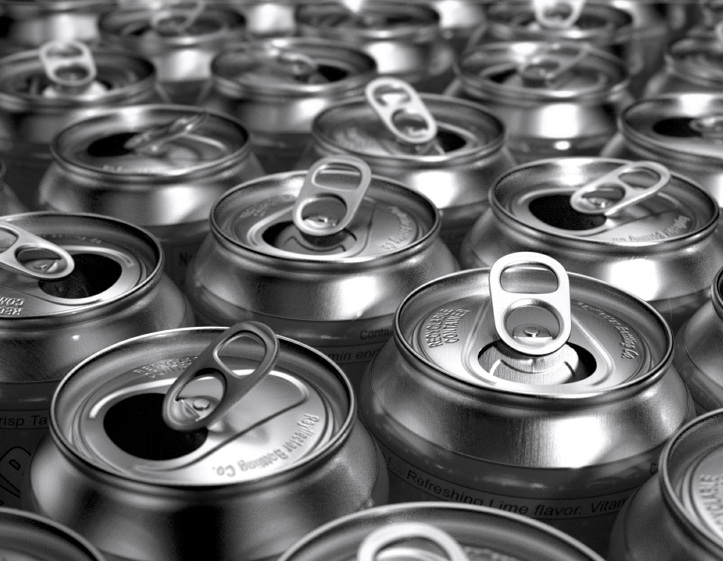
Recycling just one aluminum can will save enough energy
to run a television for how long?

   a)  15 minutes
             b)  30 minutes
                       c)  1 hour
                               d)  3 hours

Scroll down for the correct answer...


The answer is:  d) 3 hours!

Friday, February 4, 2011

Turn it Down to Save


According to the U.S. Department of Energy, you save up to 1% on your heating bill for every degree you turn down the thermostat. You can manually lower the temperature setting when you leave the house or go to bed or with a programmable thermostat, you can set it to automatically lower and raise at specific times. So either way, you can definitely save energy when you turn down your thermostat, even just a few degrees can make a difference.

For more information and tips for saving energy and money at home check out the Energy Savers Booklet available on line from the U.S. Department of Energy.